AGP Executive Report
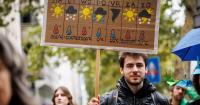
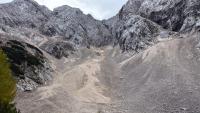
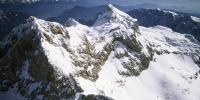
Last update: 10 hours agoClimate Warning: UNEP says the world will exceed 1.5°C of warming; current policies could lead to 2.8°C by 2100, worsening risks to people and ecosystems. Slovenia’s Glaciers: A record hot, dry summer wiped out the glacier on Triglav, leaving Skuta as Slovenia’s last. It is shrinking as temperatures rise and winter snow declines. Greener Cities: Gornja Radgona will improve and connect public green spaces across 2.84 hectares, including new trees, green belts and park amenities. The €1.46 million project includes €1.14 million from the EU. Climate Policy: Slovenian members of the European People’s Party are among nine national delegations urging the EU to scrap ETS2, which would put a carbon price on transport and heating fuels from 2028.
Note: AI summary from news headlines; neutral sources weighted more to help reduce bias in the result. Feedback is welcome. Please let us know if you have any comments or suggestions about the AGP Executive Report.

 Perspectify News